

Finland — My Journey into the Nordic Countries
Day 300: Finland — The Nordic States Begin
Weather: Clear skies, high 24°C
Elevation: 26 metres / 85 feet
A Noisy Night and an Early Start
Last night was restless. Noise drifted in from outside, and inside the dormitory, late arrivals rummaging through their bags woke me more than once. I’m a light sleeper, so every shuffle and the sound of a bag being zipped up feels like an alarm clock.
Still, I set my own alarm for 7:30 am. No time to lounge around. Breakfast was simple — beans on toast with a hot coffee.
Because I always try to be considerate of others in hostels, I had packed most of my belongings the night before. Only my nightwear was left to deal with, which I folded away outside the dormitory to avoid disturbing anyone.
By 9:55 am, I was on my way, although my sense of direction betrayed me. I thought I was heading the same way I had walked over the previous few days, but in fact, I was walking away from the port.
A quick check of Google Maps corrected my mistake, and by 10:35 am, I had checked in, passed through customs and was ready to board.
At US$39 (approximately NZ$65 or €33.25), the crossing across the Gulf of Finland felt like good value, especially aboard what appeared to be the largest ship I had sailed on so far.
Boarding the MS Finlandia
The MS Finlandia, operated by Eckerö Line, sails between Tallinn and Helsinki, providing an important connection between Estonia and Finland.

This was a one-way trip for me. My Nordic adventure had begun.
The ship offered bars, entertainment, shops, a business lounge and cabins of various sizes. There was certainly plenty to explore.
With the ferry relatively quiet, I settled into a bar towards the front of the ship, enjoying the luxury of having plenty of space around me.
Crossing the Gulf of Finland
As we left Tallinn behind, the water shimmered like glass in the afternoon sunshine.
The steady hum of the engines sent vibrations through the ship, yet it hardly felt as though we were moving. It was more like gliding across a frozen lake.
An hour passed, and our destination still seemed some distance away, even though the entire crossing was only about 90 kilometres.
At one point, a thick mist rolled in, reducing visibility to almost nothing.
The barman assured me that it was simply a result of the warm weather.
Sure enough, the mist disappeared almost as quickly as it had arrived, and the sunlight returned as Finland drew closer.
The duty-free shops opened, and passengers began stocking up on cigarettes and spirits, a familiar ritual aboard ferries crossing the Baltic Sea.
I found myself thinking about Chook and his upcoming year-long cruise. If this relatively short crossing felt so unusual, what would spending an entire year at sea be like?
Approaching Helsinki
The final stretch into Helsinki was particularly beautiful.
Small rocky islands were scattered across the water, their surfaces catching the afternoon sunshine.
For some strange reason, I found myself thinking that this would be a beautiful place to be buried. An unusual thought, perhaps, but one that stayed with me as we glided past the islands.
Arriving in Finland was remarkably straightforward.
There were no passport checks or delays, and before long, I was stepping ashore in another country.
I was aware that European border arrangements were expected to change later in the year, but for today, everything went smoothly.
Finland became my 12th European country of this journey and my 34th country overall, with another 16 countries still ahead if everything went according to plan.
Watch a ferry crossing to Finland: https://youtu.be/7Egu-JE_H5I
First Steps in Helsinki
From the port, I boarded a tram towards the city centre before walking the final three kilometres to my hostel.
It was mid-afternoon, the weather was warm and bright, and I considered stopping for a beer along the way.
However, being a Monday, the bars I passed were not open, so I continued walking.
The hostel dormitory had three other guests whom I had yet to meet.
Hopefully, they would respect the quiet hours, unlike some of the travellers in Tallinn who had made getting a good night’s sleep rather difficult.
Looking Ahead
I had booked three nights in Helsinki, although I was considering extending my stay by another day to give myself time to rest.
Tomorrow, I planned to begin exploring the city properly.
There was plenty to see, and I was looking forward to getting the camera out again.
Today had been more about the journey than the destination, but what an enjoyable journey it had been.
Compared with the rough two-day ferry crossing I once endured between Jakarta and Singapore, this experience felt positively luxurious — comfortable, relaxing and even entertaining.
A new country, a new adventure.
Tomorrow, Helsinki opens its doors, from Senate Square to the harbour, as I begin exploring the heart of Finland.
Day 301: A Special Milestone in Helsinki
Yesterday marked something rather special — 300 days of travelling.
Three hundred days since setting out on this adventure, travelling through countries, meeting strangers, experiencing different cultures and discovering just how much of the world there is still to see.
I slept well and woke ready to explore Helsinki, with my first destination being Senate Square.
Getting There — A Metro Mix-Up
Armed with the metro map, I set off confidently, convinced I knew exactly where I was going.
Unfortunately, the map had pointed me in what I thought was the right direction, which turned out to be completely wrong.
After five minutes, I realised my mistake, hopped off the train, crossed the platform and headed back the other way.
A small hiccup, but these things are all part of travelling independently.
Emerging from the station, I was greeted by beautiful blue skies dotted with cotton-wool clouds.
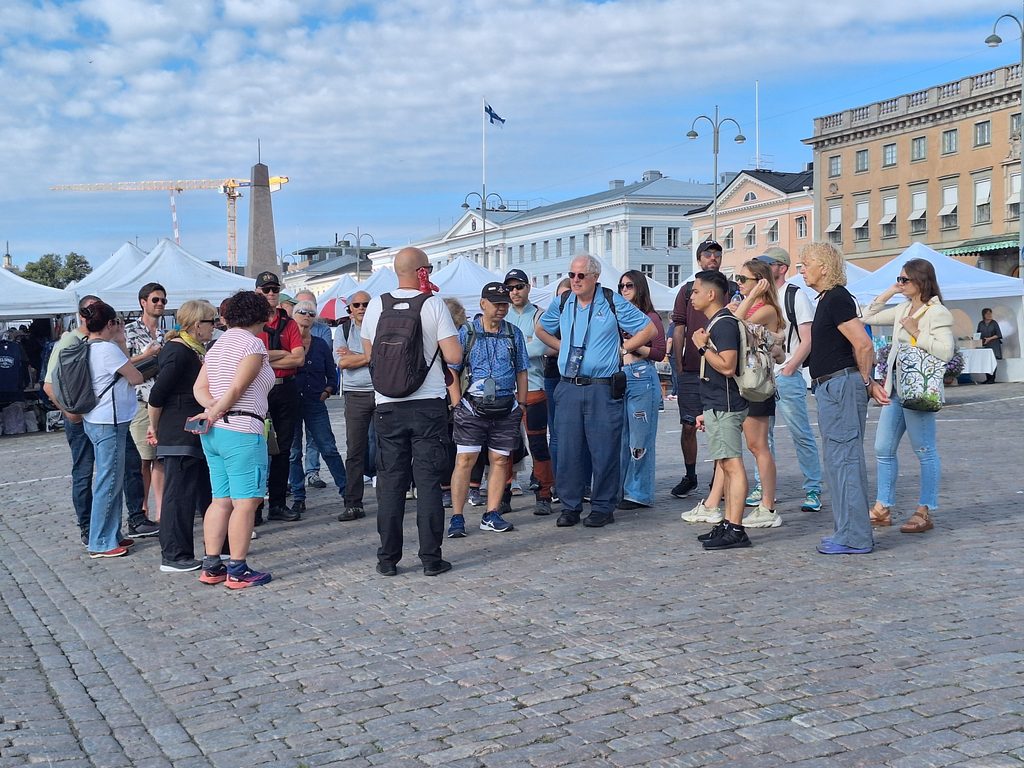
It was around 10:30 am, and Senate Square was already busy.

A large tour group seemed to have taken over the place, and I would encounter them several more times during the day.
For anyone visiting Helsinki, particularly during the cruise ship season, my advice would be to arrive early in the morning if you want to enjoy the square before the crowds arrive.
Senate Square and Helsinki Cathedral
Senate Square is part of the oldest area of central Helsinki and is surrounded by magnificent neoclassical buildings designed by the architect Carl Ludvig Engel.
At its centre stands a statue of Emperor Alexander II, erected in 1894 to commemorate reforms that increased Finland’s autonomy while it was under Russian rule.
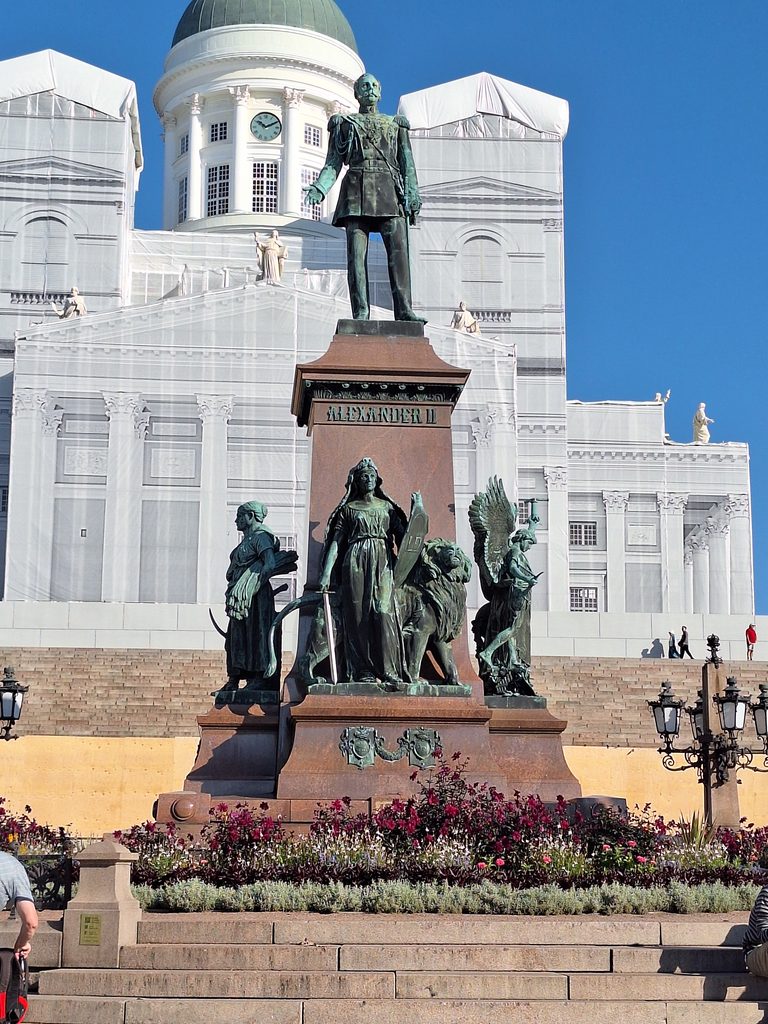
Unfortunately, much of the square was undergoing construction work during my visit.
Workers were lifting cobblestones and resealing parts of the surface with hot bitumen.
To my eyes, the shiny black finish looked far too modern for such a historic location. It will take some time before the surface develops the aged appearance that gives old European squares their character.
Dominating the square is Helsinki Cathedral, one of Finland’s most recognisable landmarks.
Built between 1830 and 1852, the cathedral was originally dedicated to Emperor Nicholas I and known as St Nicholas’s Church.
Following Finland’s independence in 1917, it became known as Helsinki Cathedral.
Its magnificent green dome, surrounded by four smaller domes, towers above the surrounding buildings.

Unfortunately, the cathedral was also undergoing restoration.
Large sections of the exterior were covered in protective plastic sheeting printed with an image of the building itself.
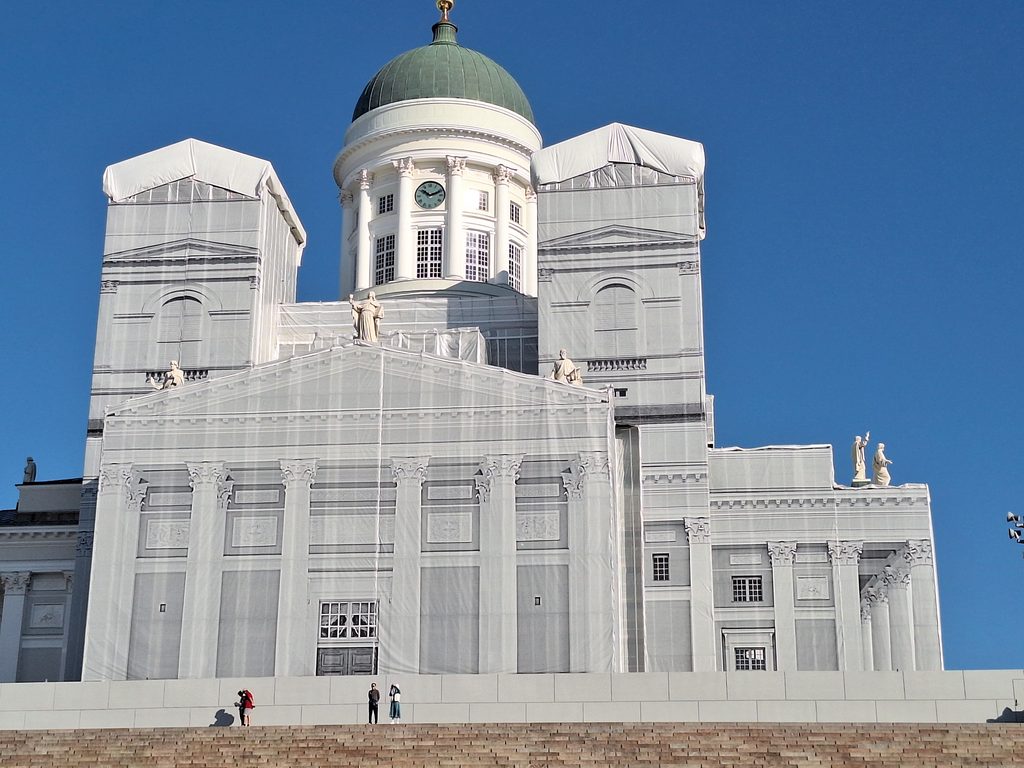
From a distance, the effect was surprisingly convincing.
The limestone exterior has required repeated repairs over the years because of the harsh coastal weather.
Inside, however, the cathedral was impressive.
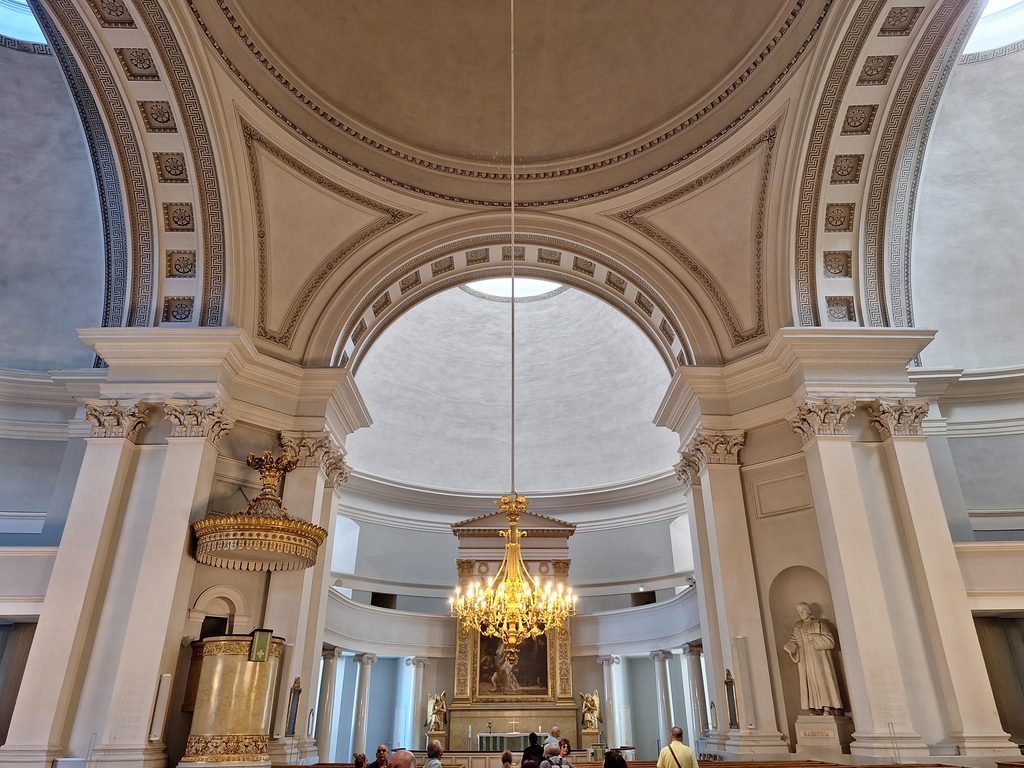
The enormous dome rose high above me, while the organ at the rear of the building added to the grandeur.
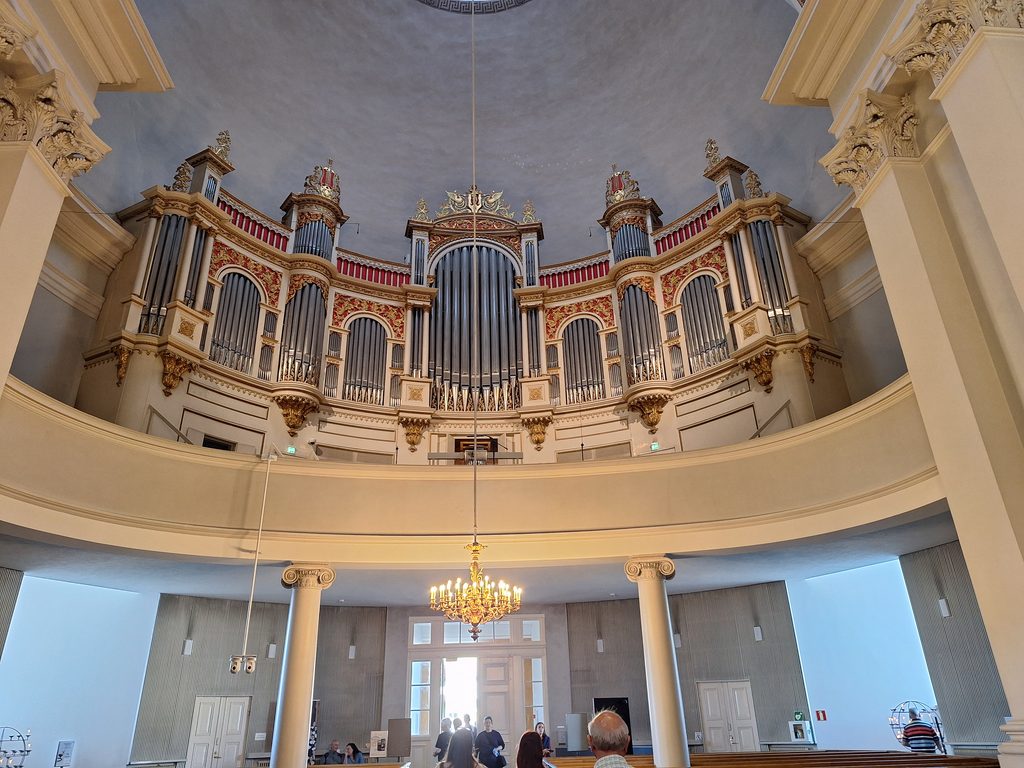
Entry is free outside the main tourist season, although during the summer the normal admission charge is approximately €10, or NZ$19.69.
Despite the restoration work, it was well worth visiting.
Helsinki Harbour and Uspenski Cathedral
Leaving Senate Square, I made my way towards the harbour.
An enormous Silja Line ferry was docked nearby, preparing for its overnight journey to Stockholm.
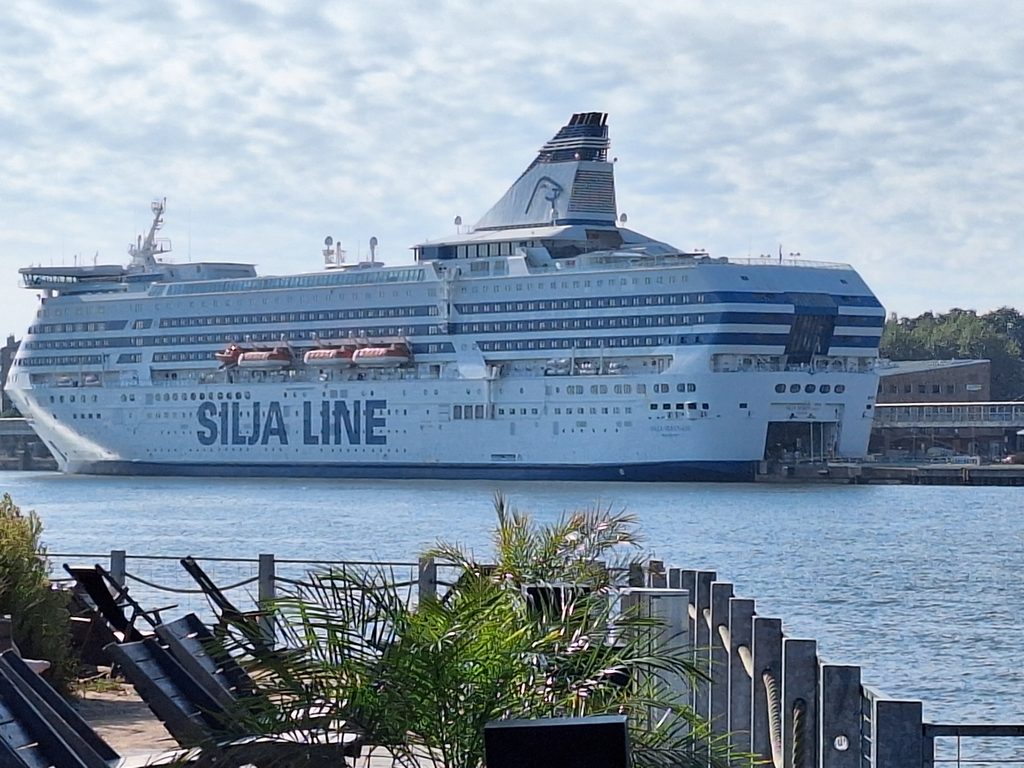
The crossing takes approximately 17 hours.
I had decided on a different route, travelling by bus to Turku before taking a ferry to Stockholm from there.
With an overnight stop included, this worked out cheaper for my budget.
Nearby, standing prominently on a hill overlooking the harbour, was Uspenski Cathedral.
Built from red brick and topped with golden domes, it is an impressive example of Russian Orthodox architecture and is regarded as the largest Orthodox church in Western Europe.

The entrance fee was €5, approximately NZ$9.87.
Unfortunately, the cathedral was surrounded by large Chinese coach-tour groups, and with so many visitors arriving at once, I decided to give it a miss.
Perhaps I would return later if time allowed.
A Break at Allas Sea Pool
Beside the harbour stands Allas Sea Pool, a modern marine spa featuring swimming pools, saunas and a rooftop terrace.

Opened in 2016, it has become a popular gathering place for locals and visitors alike.
With the temperature around 21°C and the sun shining, it seemed like a pleasant place to stop for a short break.
From here, I watched boats travelling between the harbour and the nearby islands, including those taking visitors to Suomenlinna Fortress.
It was a lovely setting, with the blue water, passing ferries and people enjoying the sunshine.
Market Square — Food, History and Finnish Prices
Crossing towards Market Square, I found a busy collection of outdoor stalls selling everything from woollen clothing and souvenirs to traditional Finnish food.

There were plenty of tourists around, many of them apparently visiting from the cruise ships.
I decided to try a Finnish meat pie costing €5.
It contained minced meat, onion and rice.
Unfortunately, it was rather disappointing.
My rating? 5 out of 10.
It lacked seasoning and certainly could not compete with a good New Zealand meat pie.
Later, I tried salmon paella with yellow rice, costing €13.
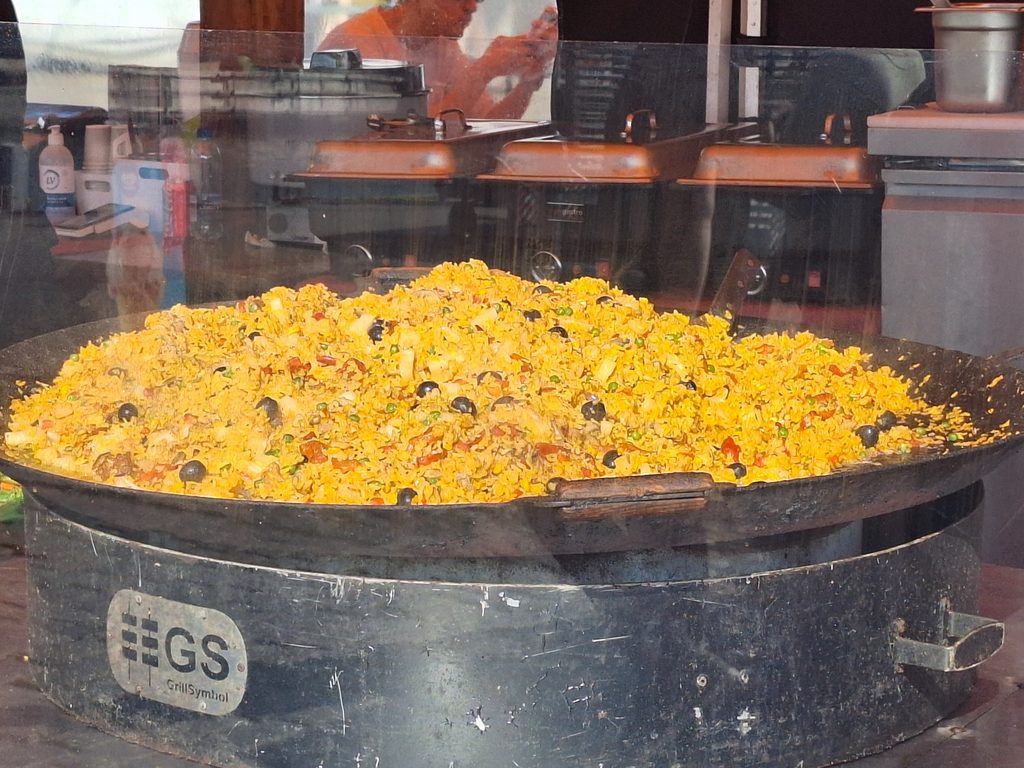
That was much more enjoyable, although still expensive.
Eating in Finland while converting everything into New Zealand dollars certainly makes you appreciate just how far your money goes in other countries.
A man nearby paid €20 for a meal and another €8 for a beer.
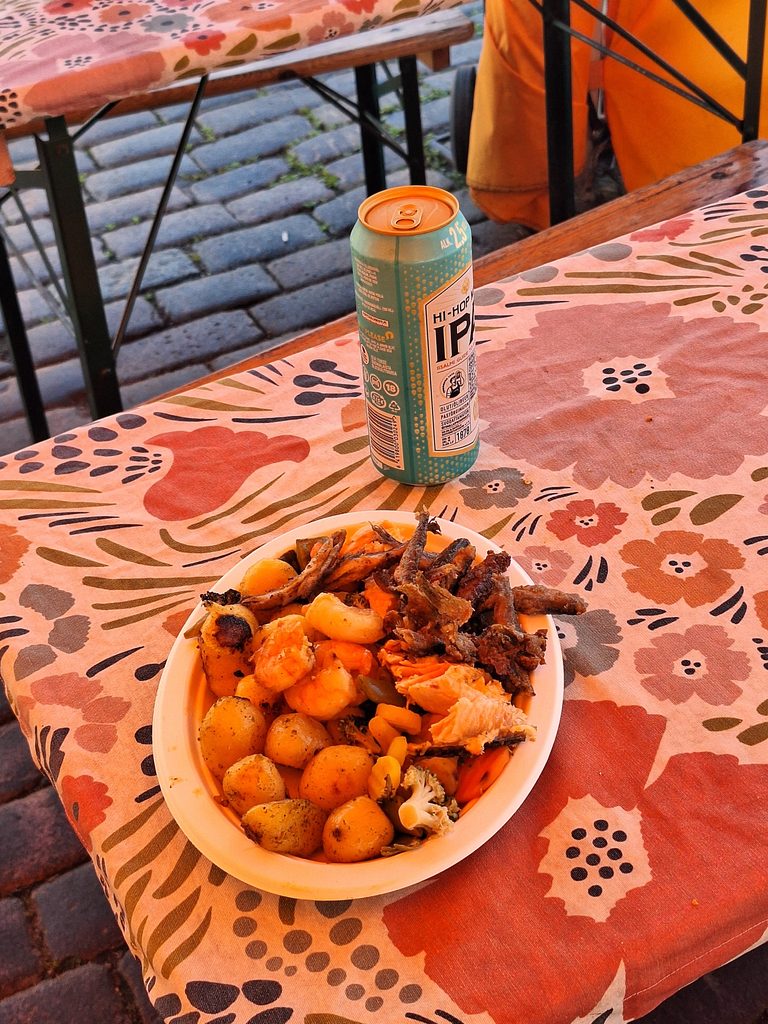
The same beer could apparently be purchased in a supermarket for around €3.
Market Square also has an interesting history.
Originally a fishing bay, it developed into the main trading area for local fishermen.
At the centre stands the Empress Stone, an obelisk erected in 1835 to commemorate the visit of Empress Alexandra, wife of Emperor Nicholas I.

The bronze eagle that crowns the monument was damaged during the revolutionary events of 1917 but was eventually restored.
Exploring Helsinki’s Old Market Hall
A short walk from Market Square brought me to the Old Market Hall, known locally as Vanha Kauppahalli.

Opened in 1889, this historic market has been serving the people of Helsinki for well over a century.
Its cast-iron structure and traditional wooden stalls retain much of the atmosphere of an earlier age.
Inside, traders sell fresh fish, cheeses, spices, sweets and other local produce.
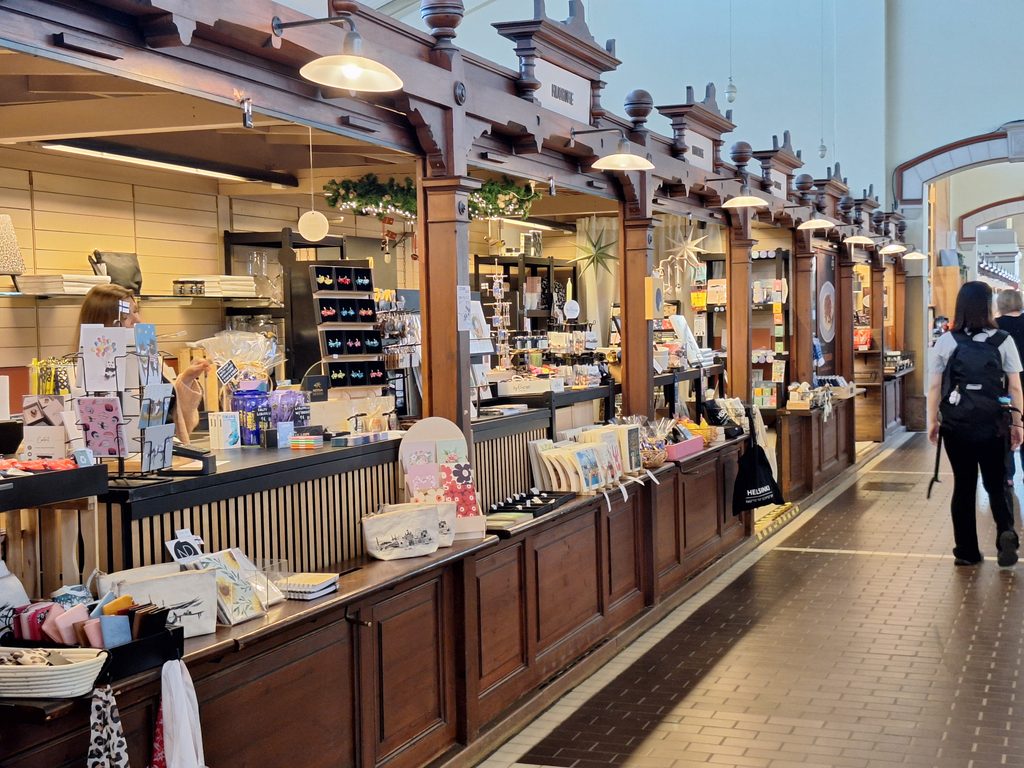
I decided to stop for a beer.
At €9, approximately NZ$15.77, it was certainly not cheap, even compared with Australian prices.
The price of fish was equally surprising.
Atlantic salmon was selling for around €30 per kilogram, compared with approximately NZ$44.95 per kilogram back home, equivalent to roughly €22 at the exchange rate I was using.
Common whitefish, known locally as siika, was even more expensive at €56 per kilogram, or approximately NZ$110.
No wonder a bowl of Finnish salmon soup can be so expensive.
It was fascinating to explore the market, but I was becoming increasingly aware that Finland was not going to be an easy country for a pensioner travelling on a tight budget.

Havis Amanda — Helsinki’s Famous Mermaid
Outside the Market Hall stands Havis Amanda, a bronze mermaid statue unveiled in 1908.
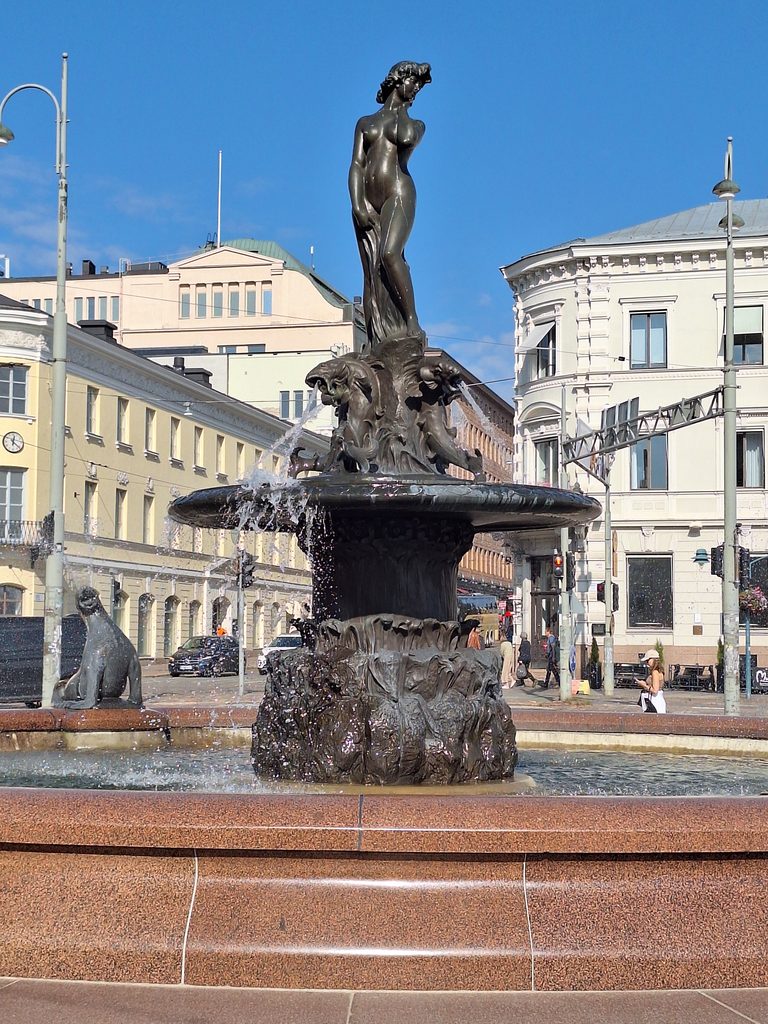
Although relatively modest in size, it has become one of Helsinki’s most famous landmarks.
Every May Day, university students gather around the statue for a lively celebration known as Mantan lakitus.
As part of the tradition, the statue is washed and crowned with a student cap.
It is one of those unusual local customs that gives a city its own personality.
A Sweet Stop at Fazer Café
My final sightseeing stop was Fazer Café, one of Helsinki’s most famous establishments.

Founded in 1891 by Karl Fazer, the café eventually became the foundation of the Fazer company, now internationally known for its chocolates and confectionery.
I had expected to find an old-fashioned café filled with historic furniture and traditional decoration.
Instead, much of the building had been modernised.
Fortunately, the original Art Nouveau ceiling had survived, providing a wonderful reminder of the café’s long history.
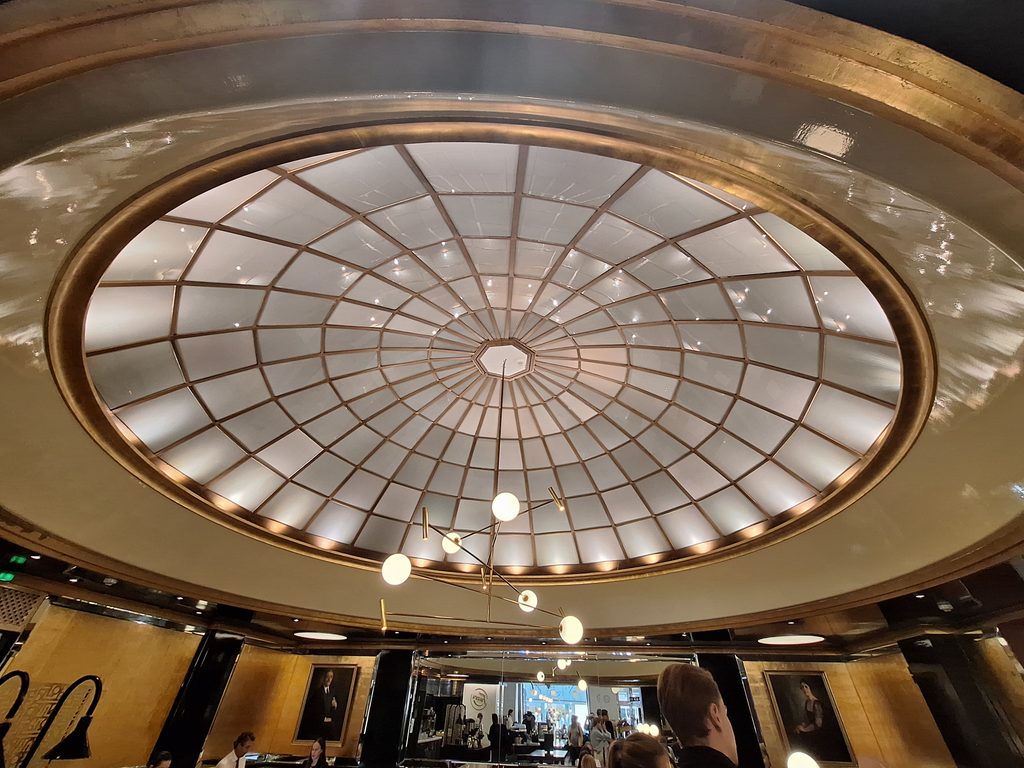
It was another interesting stop during a day filled with architecture, food and history.
Reflections on Helsinki
By the time I had finished exploring, I had seen many of Helsinki’s main attractions.
It had been a busy day, but an enjoyable one.
One thing that struck me was how different Helsinki felt compared with Tallinn and Riga.
Those cities are famous for their medieval old towns, narrow streets and centuries-old buildings.
Helsinki has a very different character.
Much of its development took place during the 18th and 19th centuries, particularly after it became Finland’s capital under Russian rule.
Its history is closely connected with industrialisation and the growth of a modern nation.
In some respects, that reminded me of New Zealand, where much of our urban history is relatively young compared with other parts of Europe.
By evening, I was back at the hostel with tired feet, finishing my blog and reflecting on everything I had seen.
It seemed a fitting way to celebrate Day 301 of my travels.
My Walking Route Through Helsinki
Kamppi → Metro → Senate Square → Helsinki Cathedral → Harbour → Uspenski Cathedral → Allas Sea Pool → Market Square → Old Market Hall → Havis Amanda → Fazer Café → Hostel.
Day 302: Finnish Streets and Silent Spaces
Weather: Pleasant, 21°C
Distance walked: 8.42 kilometres
A Morning at Kamppi Bus Station
Today began with something practical rather than sightseeing.
I wanted to locate the bus station for tomorrow’s journey so that I would know exactly where to go in the morning.
Fortunately, Kamppi Bus Station could hardly have been easier to find.
You simply step off the metro and walk straight into the terminal.
Inside, it felt more like an airport lounge than a traditional bus station.
Everything was spacious, modern and well organised.
Knowing exactly where I needed to be tomorrow certainly eased my mind.
Outside the station, Narinkka Square opened up before me.
Standing nearby was an unusual wooden building that immediately caught my attention — the Kamppi Chapel of Silence.
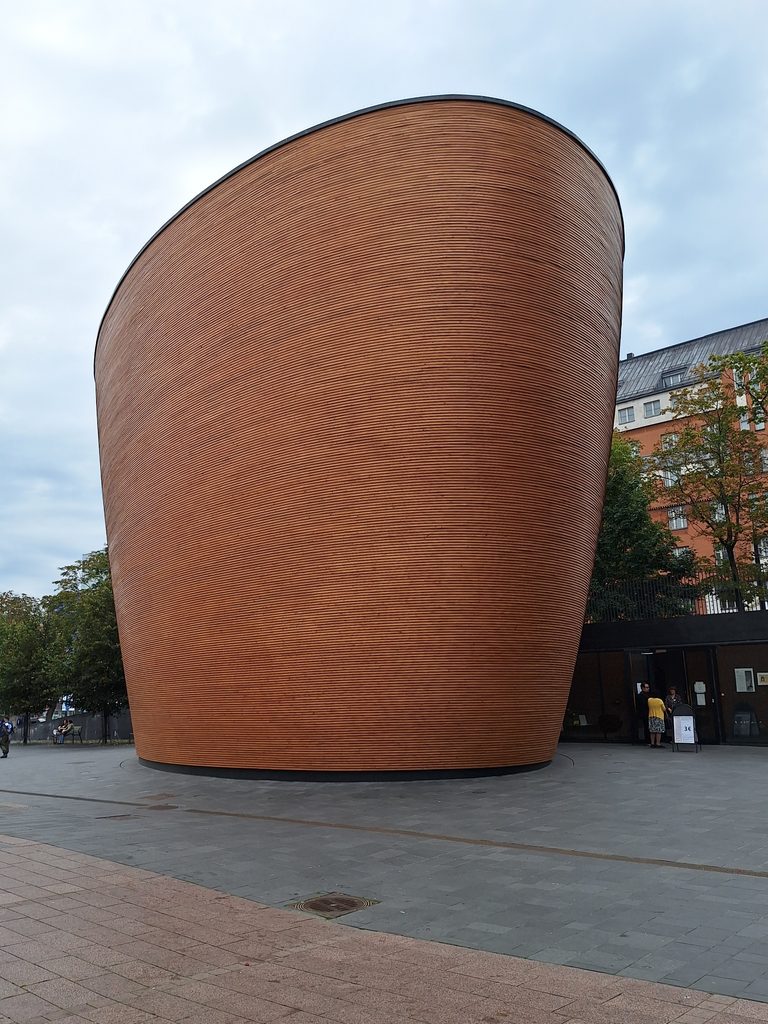
Kamppi Chapel of Silence
The Kamppi Chapel was designed as a place where people could escape the noise and pressures of city life for a few moments of peace.
Situated in one of Helsinki’s busiest commercial districts, its curved wooden exterior looks quite different from the buildings surrounding it.
The chapel welcomes visitors regardless of their religion or background.
It is operated jointly by the Helsinki Parish Union and the city’s social services department.
Within a year of opening, it had reportedly welcomed more than half a million visitors.
CNN once described it as an architectural landmark, and I could certainly understand why.
The exterior is constructed from spruce, while the interior uses alder wood, with ash used for the furnishings.
The simplicity of the design is part of its appeal.
However, the €5 entrance fee seemed rather expensive for what would probably have been a short visit, so I admired the building from outside and continued on my way.
Temppeliaukio — Helsinki’s Remarkable Rock Church
Only a short walk away was somewhere I had been particularly looking forward to visiting.
Temppeliaukio Church, commonly known as the Rock Church, is unlike any church I have encountered elsewhere in Europe.
Rather than being constructed in the traditional way, the church has been carved directly into solid granite.
From outside, the entrance almost resembles something you might expect to find leading into a Second World War bunker.

The admission charge was €8, but this time I felt the experience would justify the expense.
Stepping inside was quite extraordinary.
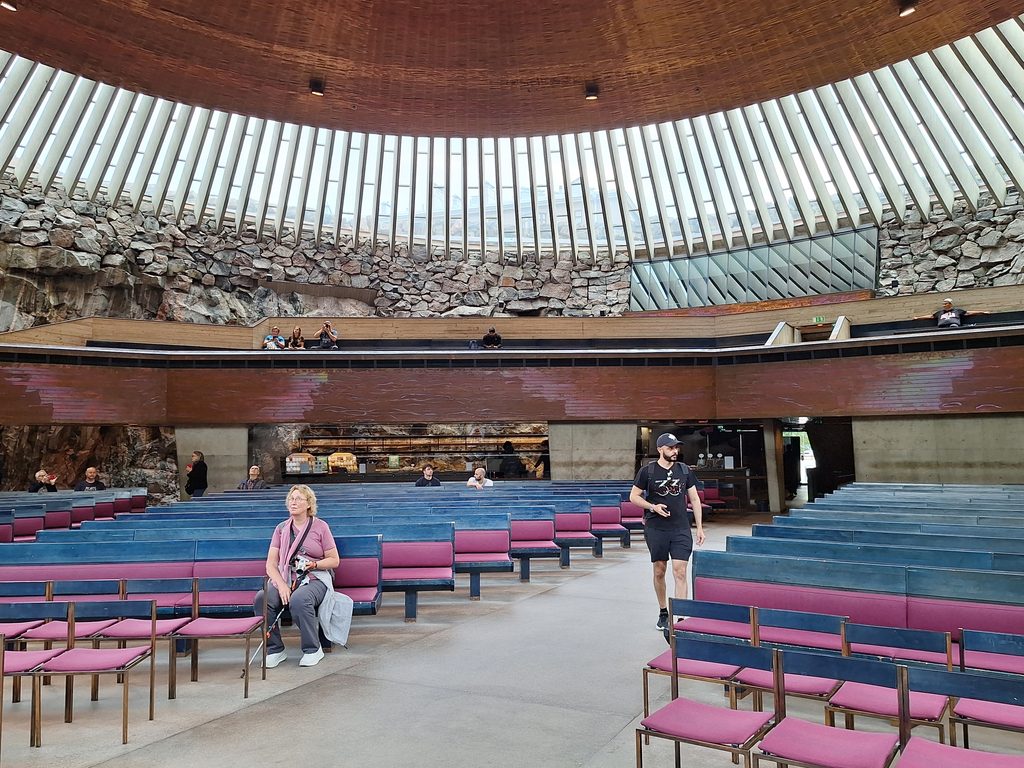
The natural granite walls still displayed the marks left by excavation, and in places minerals could be seen seeping through the rock behind the altar.
Above me was an enormous copper dome, creating a striking contrast with the rough stone walls.
The acoustics inside the church are exceptional.
Music seems to linger in the air, helped by the shape of the building and its unusual construction.
The organ, built by Veikko Virtanen, has 43 stops and more than 3,000 pipes.

A piano also adds to the musical atmosphere.
Designed by brothers Timo and Tuomo Suomalainen, the church opened in 1969 and has become one of Helsinki’s best-known architectural attractions.
It welcomes hundreds of thousands of visitors annually.
What impressed me most was the combination of natural rock and modern design.
Rather than trying to conceal the granite, the architects had made it the defining feature of the building.
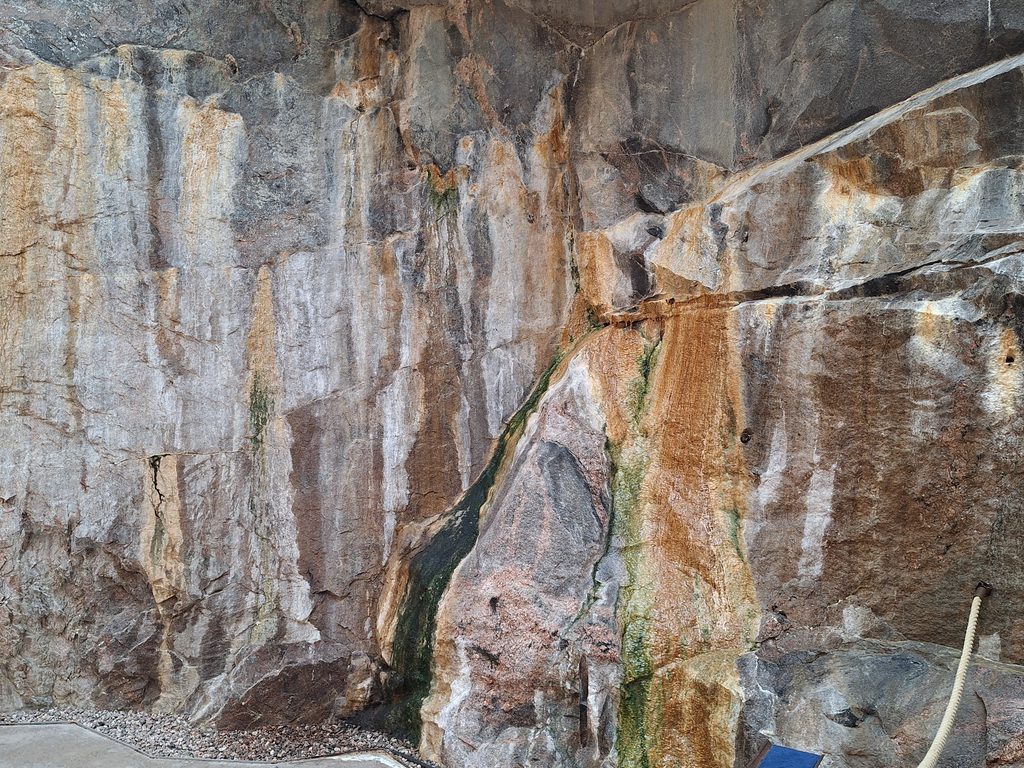
It is both a functioning place of worship and a remarkable example of Finnish architecture.
Of all the buildings I had visited in Helsinki, this was certainly one of the most unusual.
Helsinki Central Railway Station
Leaving the Rock Church, I retraced my steps towards Kamppi and continued to Helsinki Central Railway Station.
Stepping inside felt like travelling back in time.
The high ceilings, grand windows and elegant architectural details created an atmosphere that was very different from the modern metro stations nearby.
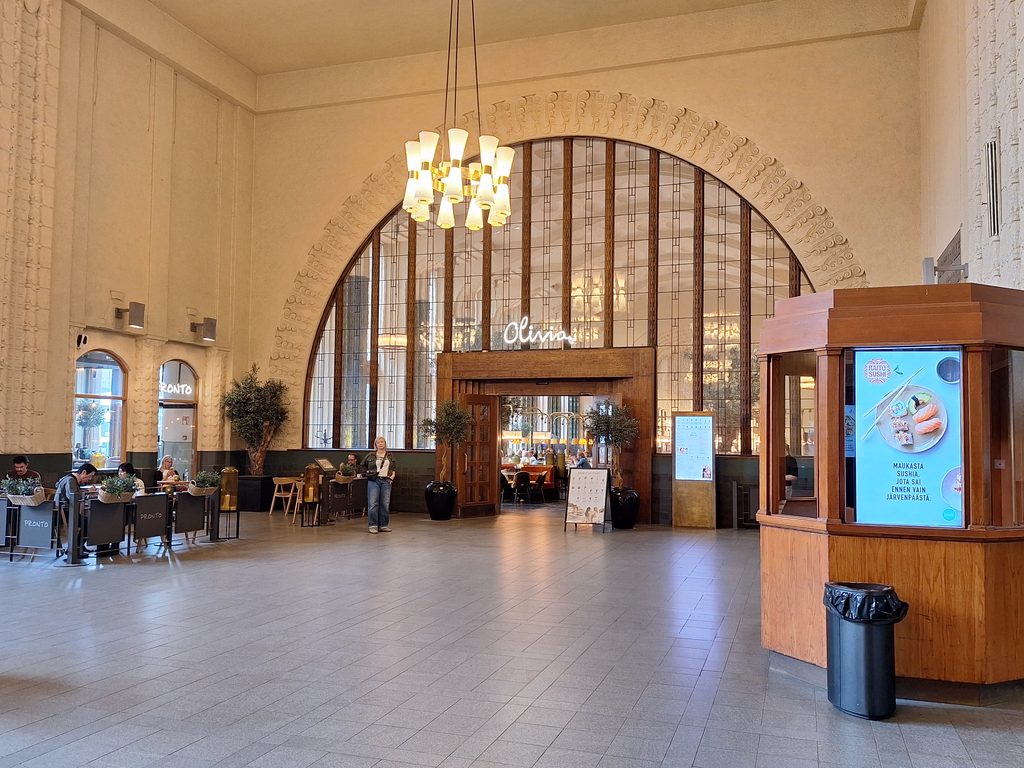
The present station was designed by Finnish architect Eliel Saarinen and opened in 1919.

It is now regarded as one of Finland’s finest examples of early 20th-century architecture.
Outside, the granite façade, distinctive clock tower and famous Lantern Bearers statues make the building instantly recognisable.
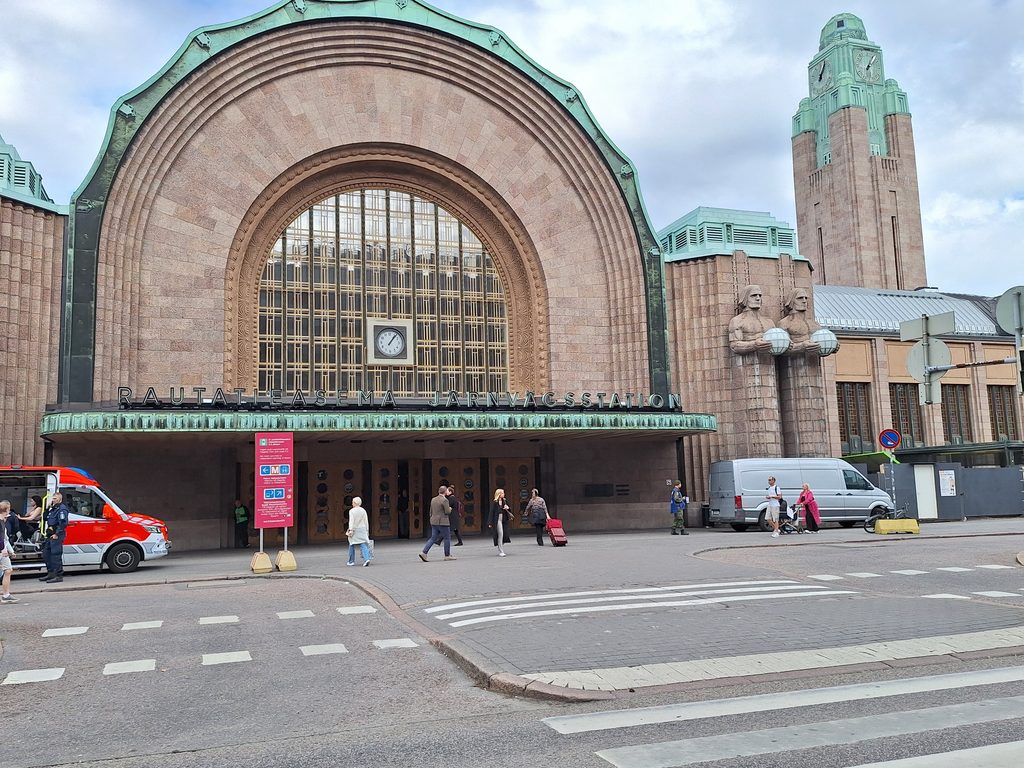
The station is one of the busiest places in Finland, with hundreds of thousands of passengers passing through on a typical day.
Even if you are not travelling by train, it is worth visiting simply to admire the building.
A Peaceful Break in Esplanadi Park
After exploring the railway station, I walked for another ten minutes to Esplanadi Park.
Stretching for approximately 500 metres between Pohjoisesplanadi and Eteläesplanadi, this attractive green space has been an important gathering place since the 19th century.
Locals and visitors come here to walk, relax, listen to music and enjoy the atmosphere.
I found a bench and spent about half an hour simply watching the world go by.
A guitarist was playing nearby, adding to the pleasant surroundings.
Next to my bench stood an insect hotel — a collection of small wooden compartments designed to provide shelter for insects living in the city.
It was a simple but thoughtful addition to the park.
Around me, people were chatting, laughing, walking and enjoying the sunshine.
After so many months of travelling, I have come to appreciate these quieter moments just as much as visiting famous landmarks.
Sometimes, sitting in a park and watching everyday life tells you more about a city than another museum or monument.
Aleksanterinkatu — Helsinki’s Christmas Street
Although I did not manage to visit Aleksanterinkatu on this occasion, it is worth mentioning for anyone planning a trip to Helsinki.
Known as Helsinki’s official Christmas street since 1949, Aleksanterinkatu becomes particularly attractive during winter.
Festive lights are suspended above the street, illuminating the trams, shops and surrounding buildings.
The street also has an interesting place in the city’s transport history.
Helsinki’s first traffic lights were installed here in 1951.
Today, parts of the surrounding area are pedestrian-friendly, making it popular for shopping, walking and exploring the city centre.
I imagine it would be especially beautiful during the Christmas season, although I am quite happy experiencing Finland in the warmer weather.
Closing Thoughts
By the end of the day, I had walked 8.42 kilometres.
My feet were beginning to complain, so I eventually boarded a tram back to the hostel.
Helsinki had offered another interesting mixture of attractions.
I had seen a modern wooden chapel designed for silence, a remarkable church carved into solid rock, a magnificent historic railway station and peaceful green spaces in the middle of a busy city.
What struck me most was the variety of architecture.
Helsinki may not have the medieval atmosphere of Tallinn or Riga, but it certainly has its own character.
Tomorrow, my journey continues towards Turku and eventually Sweden and Norway, before I begin turning south again in search of warmer days.
Travel, to me, is not just about the countries I visit or the distances I cover.
It is also about the experiences, the conversations and the opportunity to share those moments with others.
Thank you for walking alongside me today.
— Andrew
Day 304: Leaving Helsinki for Turku
Weather: Sunny, high 21°C
An Early Morning Departure
This morning went remarkably smoothly.
I found some leftover pizza in the hostel fridge, marked free to a good home, so that became breakfast.
Not exactly a traditional Finnish breakfast, but when travelling on a budget, you learn to appreciate whatever is available.
Getting from the hostel to the bus station was straightforward, particularly after yesterday’s reconnaissance trip.
We boarded at 7:15 am and departed on time, with an expected arrival in Turku at 9:25 am.
The journey itself was not particularly memorable.
For much of the way, trees lined both sides of the road, with only the occasional stretch of open countryside.
There was little in the way of spectacular scenery.
Turku was only intended as an overnight stop before tomorrow’s 12-hour Viking Line ferry crossing to Stockholm, where I had booked accommodation for four nights.
Nevertheless, with a full day available, I intended to explore as much as possible.
First Impressions of Turku
After arriving at the bus station, I had a 3.3-kilometre walk along the river to my accommodation.
I reached the guesthouse around 10:30 am, but unfortunately, nobody was home.
I left my backpack around the back of the property and decided to begin exploring.
Rather than walk all the way back towards the city centre, I decided to try something different.
For the first time, I hired an electric scooter.
What a difference!
After months of walking with a backpack and spending hours exploring cities on foot, the scooter was a welcome change.
It was certainly easier on the body.
Before long, I was cruising into the central square, where Turku Cathedral rose above the surrounding buildings.

Turku has an important place in Finland’s history.
It was the country’s original capital until 1812, when Emperor Alexander I of Russia transferred the capital to Helsinki.
The decision was intended to reduce Sweden’s influence over Finland and bring the administration closer to Saint Petersburg, then the centre of the Russian Empire.
Turku Cathedral — A Journey Through Centuries
I parked the scooter and climbed the steps leading into Turku Cathedral.
The first pleasant surprise was that admission was free.
After paying entrance fees at several attractions in Helsinki, this was certainly welcome.
Inside, the cathedral was magnificent.
The vaulted ceiling rose approximately 24 metres above me, creating a wonderful sense of space.
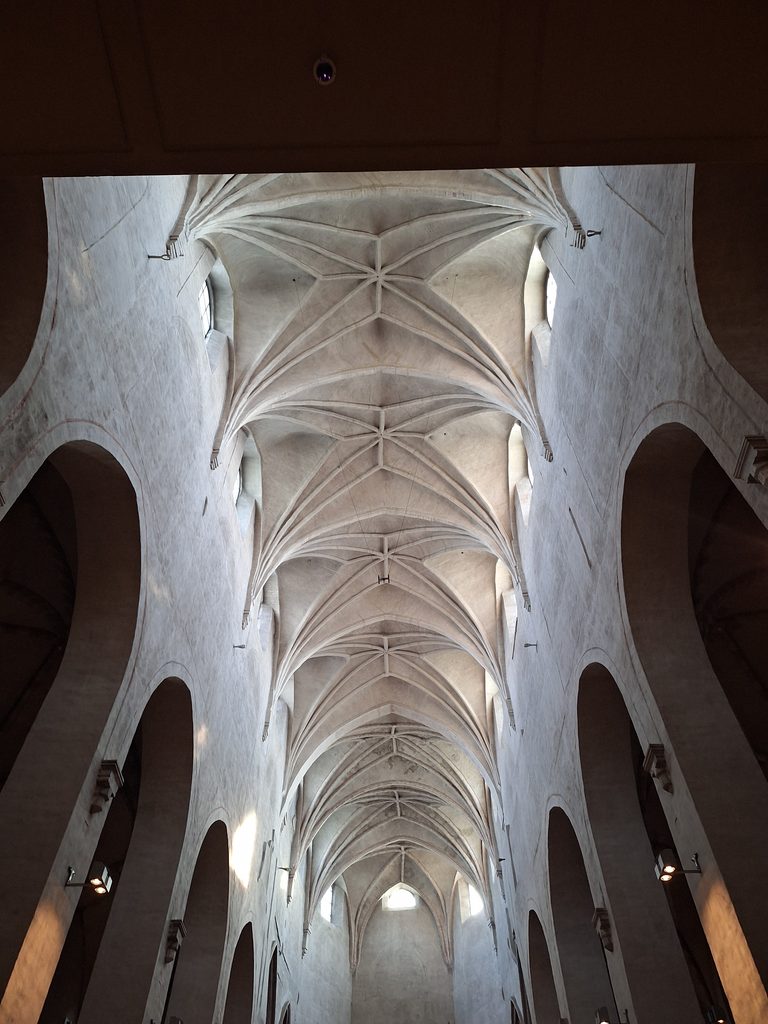
The long central nave drew my eyes towards the altar.

With relatively few visitors inside, the atmosphere was peaceful.
I sat quietly in a pew for about five minutes, simply enjoying the silence and reflecting on the centuries of history contained within these walls.

Turku Cathedral is the most important religious building in Finland.
It serves as the Mother Church of the Evangelical Lutheran Church of Finland and is the country’s only medieval basilica.
Its origins date back to the late 13th century, when the first church was constructed.
The cathedral was consecrated in 1300 as the seat of the Catholic Bishop of Turku.
Over the following centuries, the building was expanded and rebuilt in stone.
It has witnessed royal ceremonies, religious changes, wars and countless events in Finland’s history.
The Great Fire of Turku in 1827 caused enormous destruction throughout the city, and the cathedral suffered severe damage.
Fortunately, it was rebuilt and remains one of Finland’s most treasured historic buildings.
For me, it was another reminder of why I enjoy visiting churches while travelling.
Regardless of your religious beliefs, these buildings often preserve hundreds of years of architecture, craftsmanship and national history.
Market Square and the Orthodox Church
Leaving the cathedral, I headed towards Market Square.
One side of the square was busy with stalls selling fresh vegetables and other produce.

On the opposite side stood the Greek Orthodox Church of Turku.

Admission was free here as well, so I decided to take a look inside.
What a surprise awaited me.
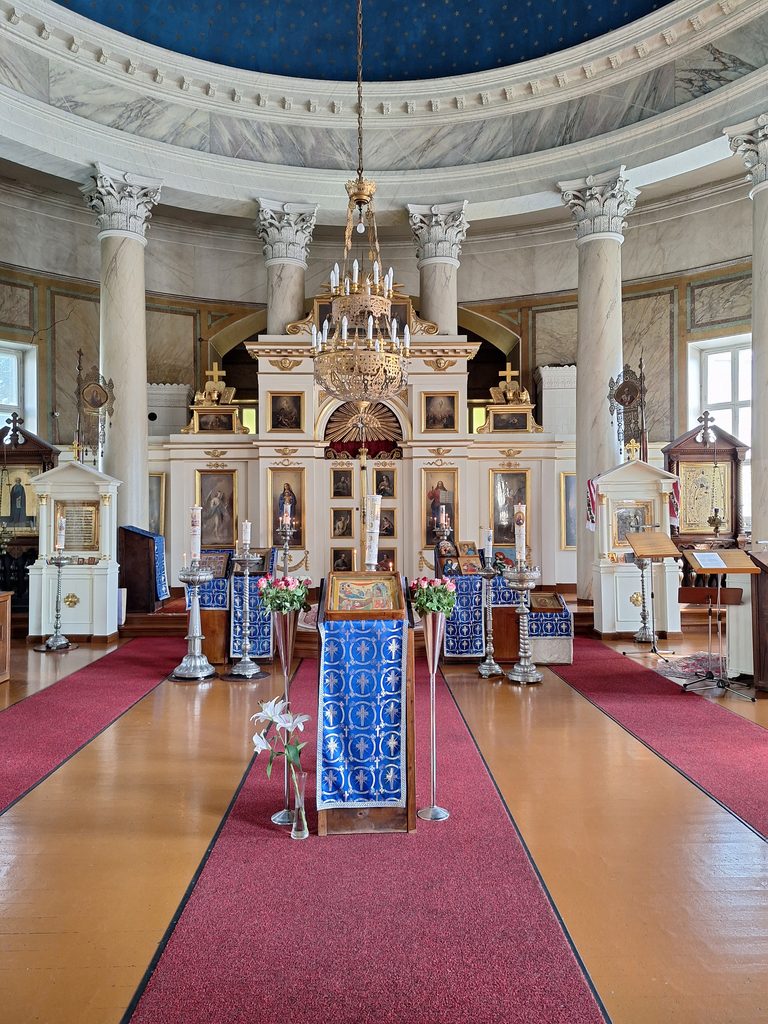
The ceiling glittered with golden stars, while the walls were covered with colourful religious artwork.
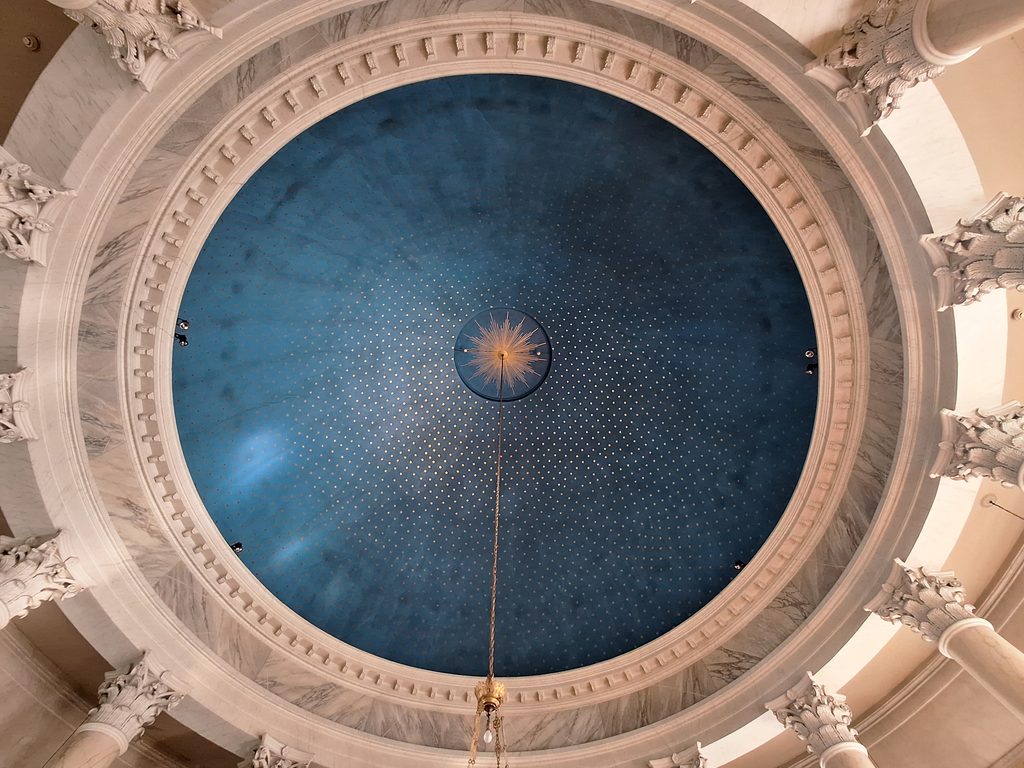
The interior was far more elaborate than some of the churches I had visited in Helsinki, where an entrance fee was required.
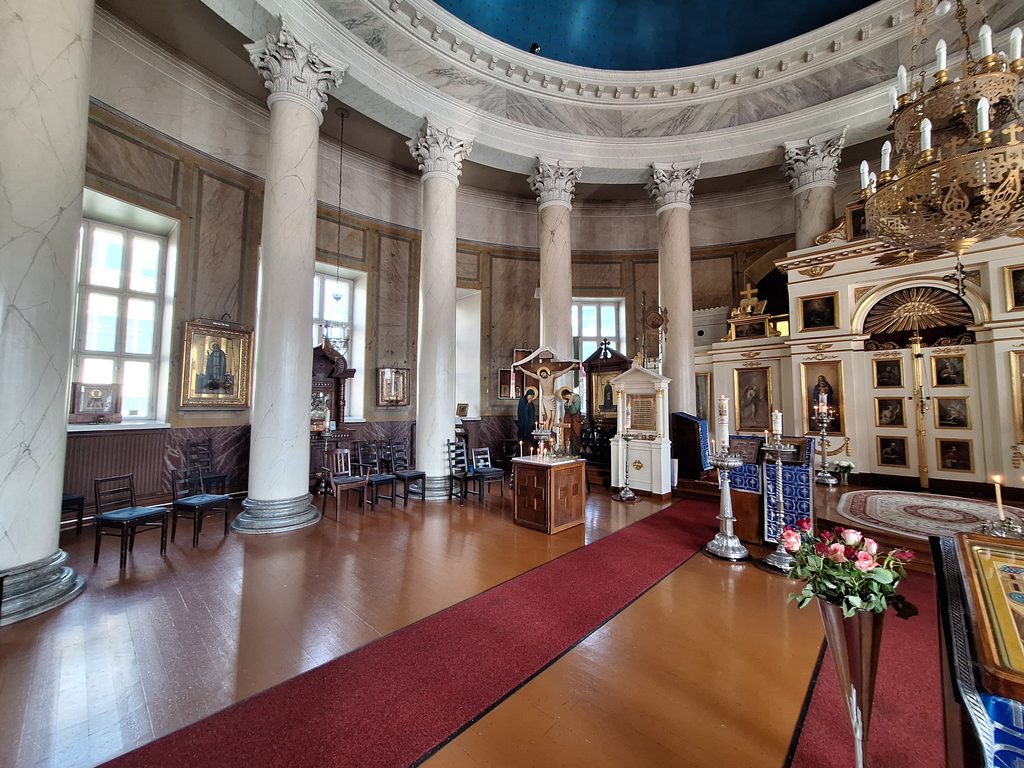
Outside stood one of the original church bells, once housed in the dome.
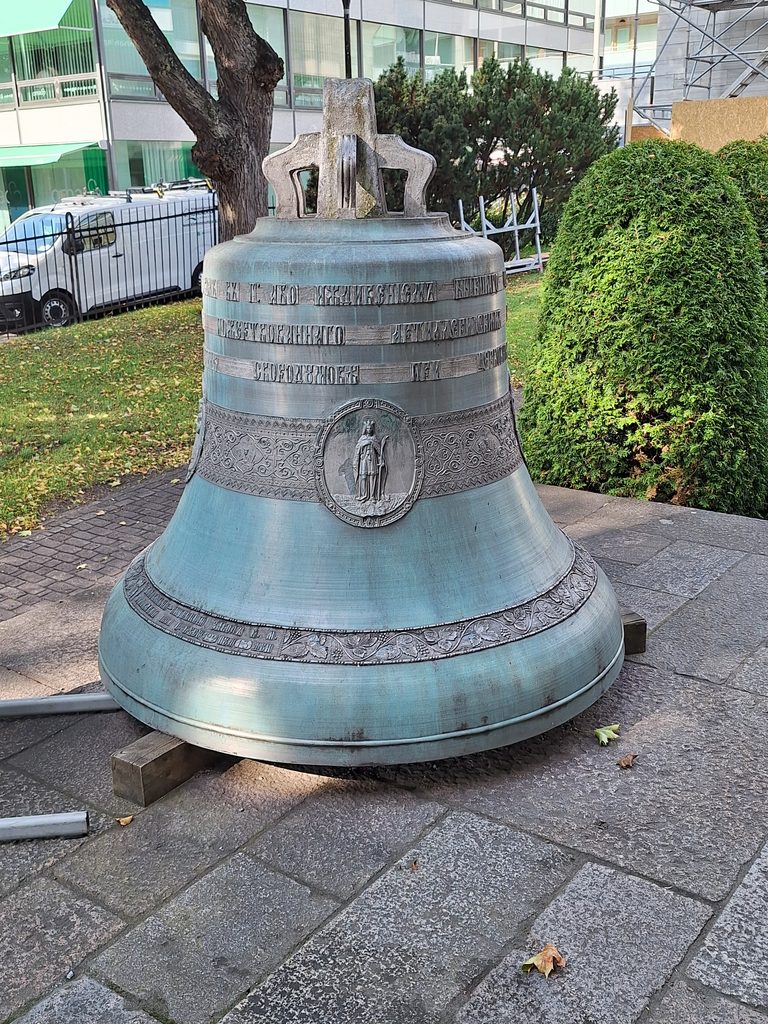
It was enormous — approximately five feet tall, ten feet across and weighing around two tonnes.
The church is officially dedicated to St Alexandra the Martyr.
Commissioned by Emperor Nicholas I of Russia in 1838, it was designed by architect Carl Ludvig Engel, who was also responsible for many of Helsinki’s most important buildings.
Construction cost 67,886 rubles, and the church was completed in 1845.
Its patron saint, Alexandra, is traditionally associated with the Roman Emperor Diocletian.
According to Christian tradition, she converted to Christianity and was executed for her faith in 303 AD.
The dedication may also have had a personal connection, as Nicholas I’s wife was named Alexandra Feodorovna.
Scootering to Turku Castle
After leaving Market Square, I hired another electric scooter and set off towards Turku Castle.
Unfortunately, after about ten minutes, I realised I was travelling in completely the wrong direction.
Some things never change.
Even with modern technology, I still occasionally manage to head the wrong way.
After turning around, I followed the river for approximately three kilometres until the castle finally came into view.
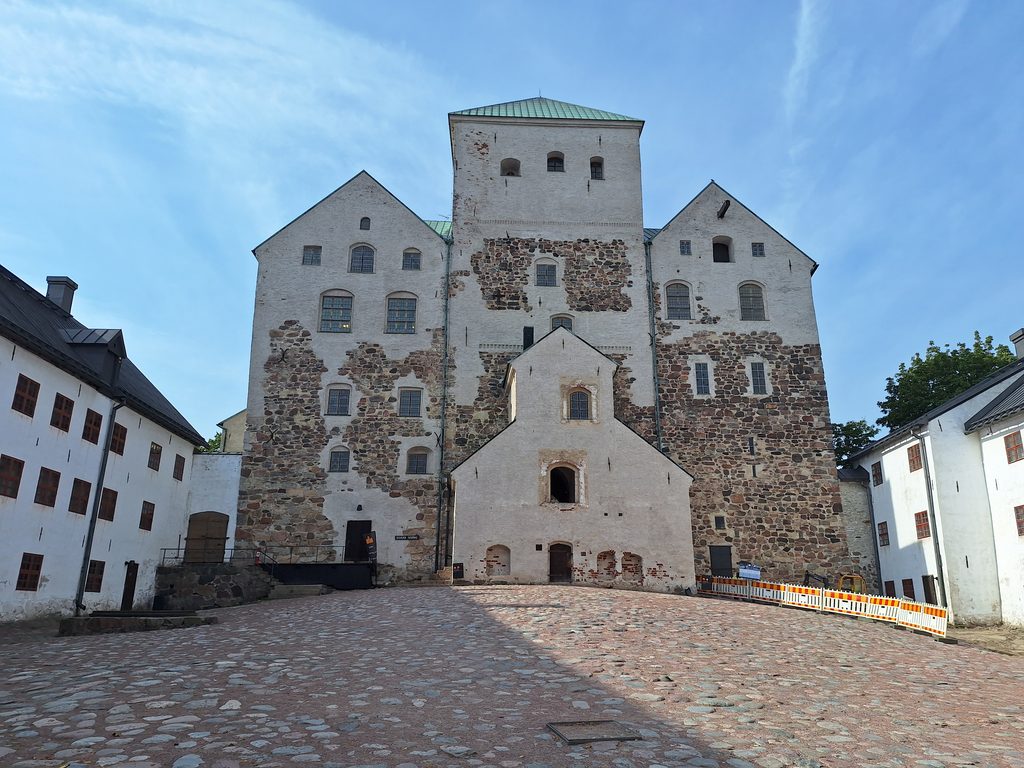
Turku Castle is one of Finland’s most important medieval buildings and the largest surviving structure of its kind in the country.
Founded in the late 13th century, it began as a Swedish military fortress before gradually developing into a royal residence and administrative centre.
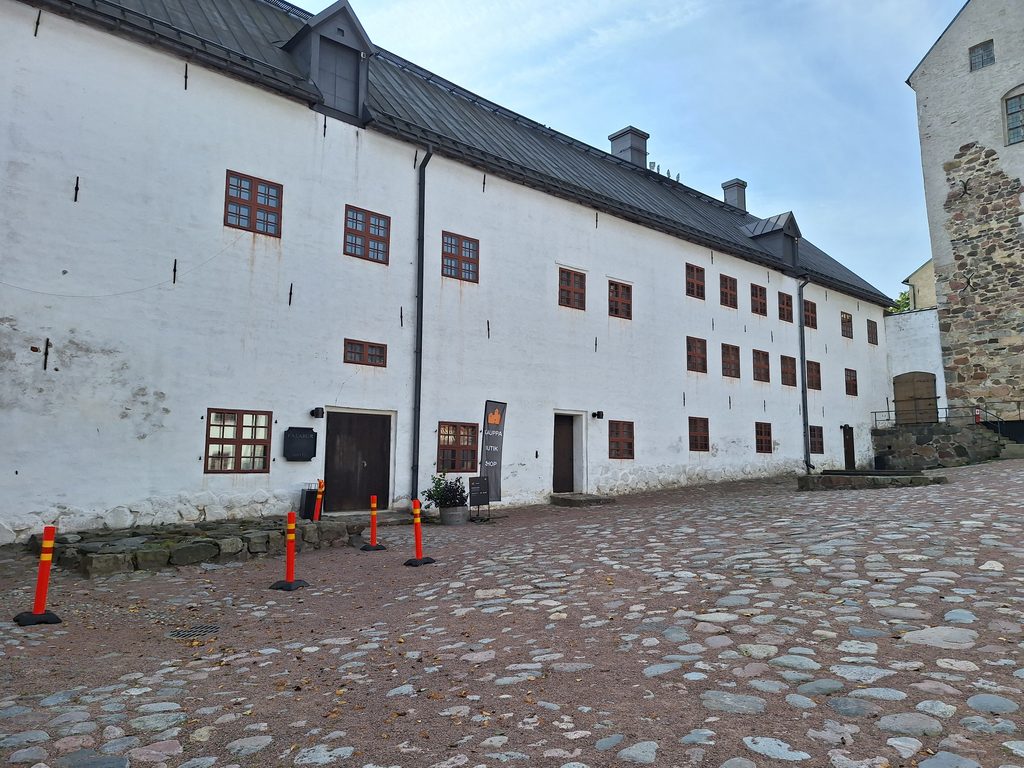
Over the centuries, it has witnessed battles, sieges, political struggles and the changing fortunes of Finland.
During the late 14th century, the notorious Victual Brothers, pirates and privateers who operated around the Baltic Sea, may even have used the castle as a base.
These seafarers caused considerable trouble throughout the region, attacking ships, raiding settlements and disrupting trade.
Today, Turku Castle is one of the city’s major historical attractions.

Unfortunately, restoration work was taking place during my visit, and there were very few tourists around.
The restaurant was open, but the entrance fee to explore the castle was €16.
With my daily budget around €30, I decided that money would be better spent on food.
Sometimes, travelling on a limited budget means making choices.
I was satisfied with seeing the castle from outside and learning something about its history.
Suomen Joutsen — A Magnificent Sailing Ship
While travelling along the river, I passed a beautiful white, three-masted sailing ship moored beside the waterfront.

This was the Suomen Joutsen, one of Finland’s best-known historic vessels.
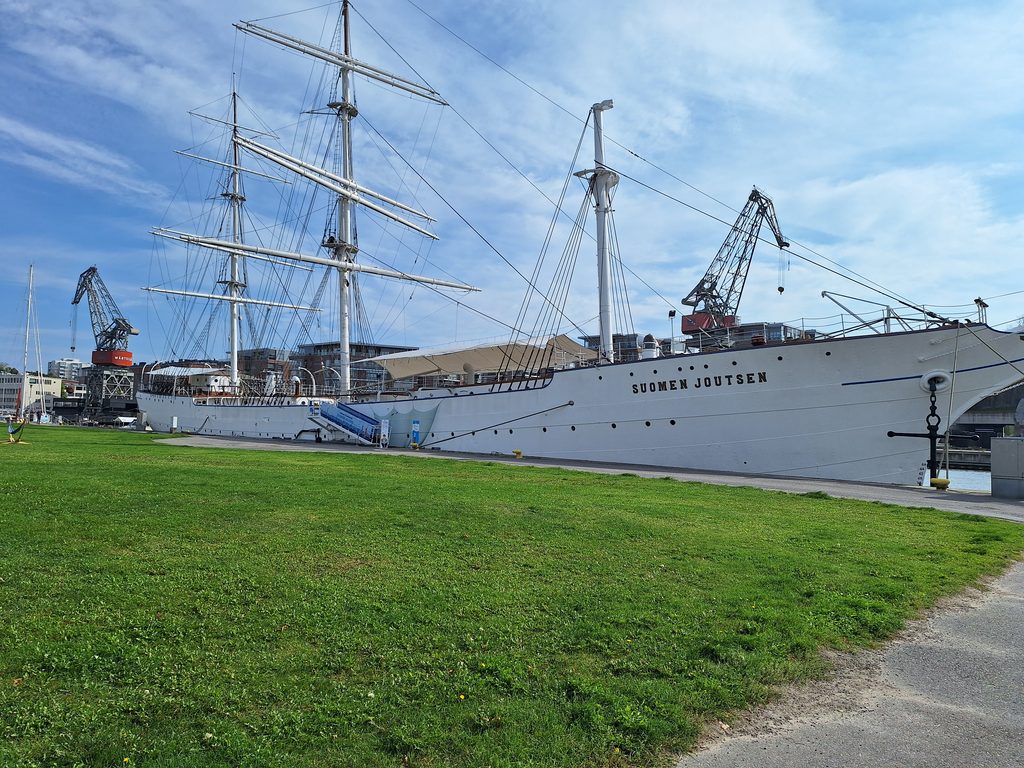
Built in 1902 in Saint-Nazaire, France, the steel-hulled ship originally sailed under the name Laënnec.
She later came under German ownership and was renamed Oldenburg before being acquired by Finland in 1930.
Following extensive modifications, she became a naval training ship and completed eight major international voyages before the Second World War.
During the war, she served in various support roles.
In 1961, she began a new chapter as a stationary training school for seamen.
Since 1991, she has been moored in Turku as a museum ship.
Seeing her magnificent white hull and tall masts beside the river was like stepping back into another era of travel.
It is easy to imagine the adventures experienced by the sailors who once crossed the world aboard her.
Exploring Turku Market Hall
Leaving the castle behind, I hired another scooter and travelled back towards the city centre.
My next destination was Turku Market Hall.

Inside, it reminded me very much of the Old Market Hall in Helsinki.
There were traditional stalls, food vendors and the familiar atmosphere of a historic indoor market.
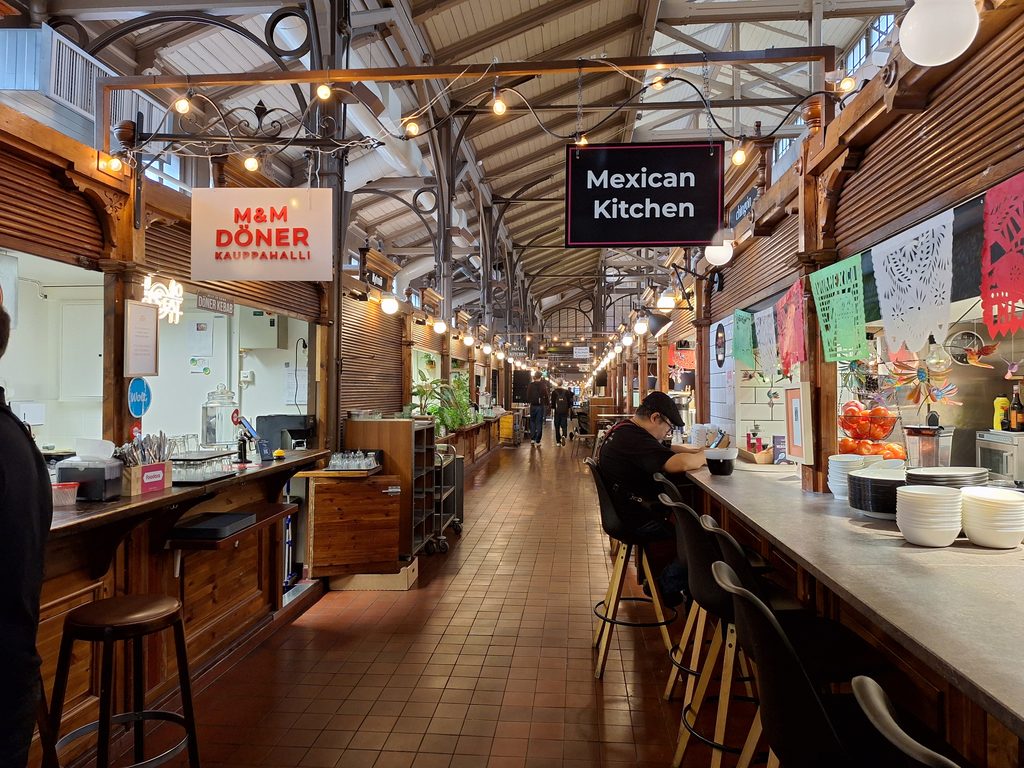
One important difference, however, was the price.
Things appeared noticeably cheaper here than in Helsinki.
Opened in 1896, Turku Market Hall is Finland’s second-oldest market hall.
Its construction required more than 300,000 bricks and 42 tonnes of iron components.
Originally, the building contained 151 shops, including 53 selling fresh meat.
In its early years, the hall was illuminated by gas lamps, with electricity arriving in 1932.
Remarkably, running water had been installed as early as 1905.
This allowed traders to maintain aquariums containing live fish for sale, including pike, eels, bream and flounder.
More than a century later, the market remains an important part of everyday life in Turku.
Searching for the Old Town — and Finding Bar Bristol
After leaving the market, I went looking for Turku’s Old Town.
Given the city’s long history, I had expected to find an extensive historic quarter.
Instead, what I discovered was little more than a handful of older buildings.
However, something across the street immediately caught my attention.
A bar called Bar Bristol.
Being originally from Bristol, England, there was absolutely no way I was going to walk past without investigating.
I went inside and soon found myself chatting with the friendly owner.
As it turned out, I had arrived in Turku on a particularly interesting day.
The university students were beginning their new academic term, and one of their traditions was a bar crawl involving 16 different pubs.
At each establishment, students purchased a shot and collected a stamp on a card.
The goal was to complete all 16 stops.
Bar Bristol was the first stop on the route.
The owner told me he expected to sell more than 500 shots during the day at €3.50 each.
That meant nearly €1,750 in sales, roughly NZ$3,500 at the exchange rate I was using.
Not a bad day’s business!
From my seat, I watched a continuous stream of students arriving, ordering their drinks, collecting their stamps and rushing off towards the next pub.
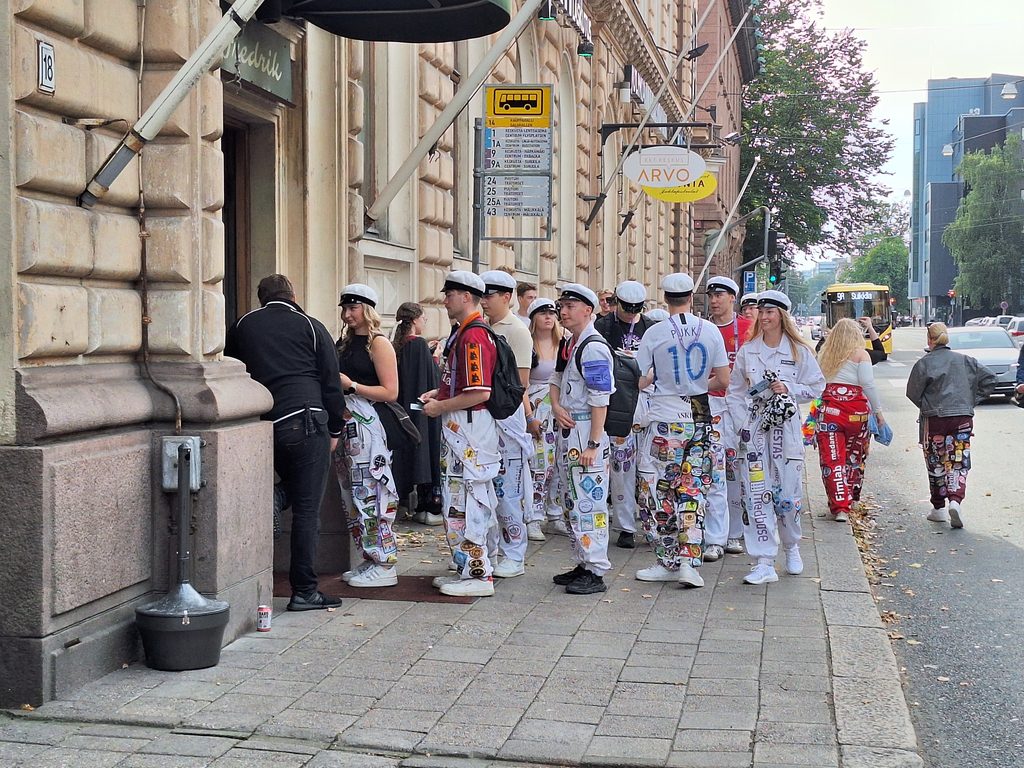
Many wore colourful outfits associated with their university studies.
Different colours represented different degree programmes, creating a lively and rather unusual spectacle.
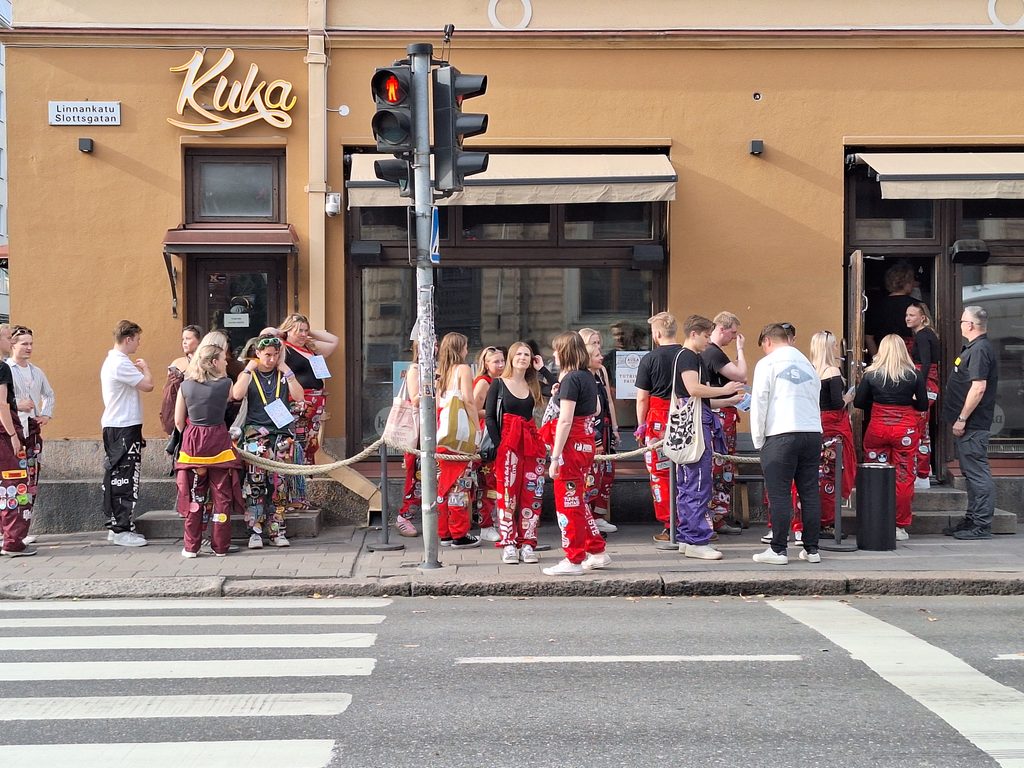
I could not help wondering what condition some of them would be in by the time they reached pub number sixteen.
Student life in Finland, it seems, is not so different from student life in New Zealand.
There is plenty of enthusiasm, laughter, tradition and, on occasions like this, alcohol.
What had begun as a simple search for Turku’s Old Town had turned into one of the most entertaining experiences of my visit.
And all because I had spotted a bar named after my birthplace.
These are the unexpected moments that make travelling so enjoyable.
Wrapping Up My Day in Turku
By late afternoon, I had completed three separate electric scooter journeys, covering approximately four kilometres.
It had been an enjoyable way to explore the city while giving my legs a much-needed break from walking.
Tomorrow morning, I would need to travel approximately 2.7 kilometres to the Viking Line ferry terminal on the other side of the river.
I had parked a scooter outside the guesthouse and hoped it would still be there in the morning.
If so, it would save me another long walk.
The guesthouse itself was fairly basic.
My room was more of a converted space than a traditional bedroom, but it was perfectly adequate for one night.
I settled in with a bag of chips, a couple of cans and a film before getting ready for bed.
Turku may be better known as a departure point for ferries to Sweden than as a major international tourist destination, but I had thoroughly enjoyed my day.
There had been medieval churches, castles, historic ships, bustling markets and an unexpected encounter with Finnish university traditions.
My muscles were aching slightly from riding the scooters over the cobbled streets.
Those old stones certainly make your body work in ways you do not normally expect.
Nevertheless, it had been another rewarding day on the road.
Tomorrow brings a new country, a 12-hour ferry crossing and the next stage of my journey through the Nordic countries.
Next stop: Stockholm, Sweden.
See you aboard the Viking Line ferry.
— Andrew
Inspire Seniors Travel
inspireseniorstravel.com